Introduction
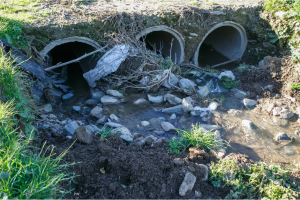
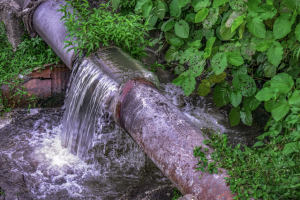
Water contamination in drinking water is one of the most significant threats to drinking water safety worldwide. Contaminants can enter water supplies through natural processes, industrial activity, agricultural runoff, or aging infrastructure.
Understanding how water becomes contaminated is essential for identifying risks, protecting health, and applying the right treatment solutions. This guide provides a complete overview of water contamination, its sources, its effects, and how to reduce exposure.
What Is Water Contamination?
Water contamination occurs when harmful substances, microorganisms, or particles are present in water at levels that may affect its safety or quality. These contaminants can be chemical, biological, physical, or radioactive.
👉 Explore the full category:
Water Contamination
Why Water Contamination Matters
Contaminated water can affect millions of people and lead to both short-term illness and long-term health risks. It also impacts ecosystems, agriculture, and overall environmental health.
Water contamination is closely linked to water contamination in drinking water safety and remains a major concern in both developed and developing regions.
👉 Learn more about drinking water safety:
Drinking Water Safety
Types of Water Contamination
Water contamination can take several forms, including:
- Chemical contamination (heavy metals, pesticides, industrial chemicals)
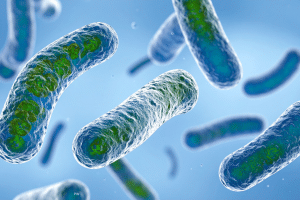
- Biological contamination (bacteria, viruses, parasites)
- Physical contamination (sediments and particles)
- Radioactive contamination (naturally occurring elements)
Each type presents different risks and requires specific detection and treatment methods.
👉 Related articles:
- Lead in Drinking Water: Testing and Detection Methods
- Lead in Drinking Water: Complete Guide
- Lead in Drinking Water: Causes and Sources
- Lead in Drinking Water: Health Effects and Risks
- PFAS in Drinking Water: Complete Guide
- Minerals in Drinking Water: Causes and Sources
- Arsenic in Drinking Water: Removal and Treatment Options
- Minerals in Drinking Water: Health Effects and Risks
- Arsenic in Drinking Water: Testing and Detection Methods
- Heavy Metals in Drinking Water: Regulations and Standards
- Heavy Metals in Drinking Water: FAQs and Common Questions
- Industrial Water Pollution: Causes and Sources
- PFAS in Drinking Water: Removal and Treatment Options
- Waterborne Pathogens in Drinking Water: Complete Guide
- PFAS in Drinking Water: Best Filters, Systems and Solutions
- Microplastics in Drinking Water: Complete Guide
- Microplastics in Drinking Water: Removal and Treatment Options
- Waterborne Pathogens in Drinking Water: FAQs and Common Questions
- Waterborne Pathogens in Drinking Water: Best Filters, Systems and Solutions
- Waterborne Pathogens in Drinking Water: Symptoms, Warning Signs and Red Flags
- Waterborne Pathogens in Drinking Water: Home Safety Checklist
- Waterborne Pathogens in Drinking Water: Regulations and Standards
- Drinking Water Safety for Households: FAQs and Common Questions
- Drinking Water Safety for Households: Best Filters, Systems and Solutions
- Drinking Water Safety for Households: Symptoms, Warning Signs and Red Flags
- Drinking Water Safety for Households: Home Safety Checklist
- Drinking Water Safety for Households: Regulations and Standards
- Countries with Unsafe Drinking Water: FAQs and Common Questions
- Countries with Unsafe Drinking Water: Best Filters, Systems and Solutions
Health Risks of Contaminated Water
Exposure to contaminated water can result in a wide range of health problems.
Short-term effects include:
- Diarrhea and gastrointestinal illness
- Infections caused by pathogens
Long-term exposure may lead to:
- Toxic buildup in the body
- Organ damage
- Increased risk of chronic diseases
👉 Learn more about microbial contamination:
Water Microbiology
Solutions and Treatment Methods
Addressing water contamination requires appropriate treatment and purification strategies.
Common approaches include:
- Filtration systems
- Reverse osmosis
- Disinfection methods (UV, chlorination)
- Sediment removal
The effectiveness of each method depends on the type and level of contamination.
👉 Explore purification methods:
Water Purification
👉 Explore treatment systems:
Water Treatment Systems
How to Test and Monitor Water Contamination
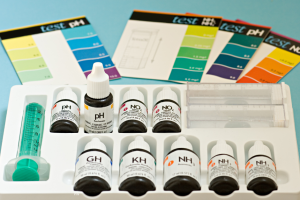
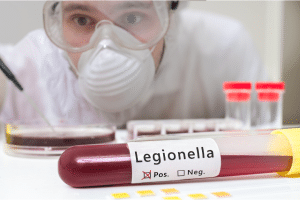
Testing is the only reliable way to identify contaminants in water. Since many contaminants are invisible, laboratory analysis or home testing kits are often required.
Monitoring water quality regularly helps detect issues early and prevent exposure.
👉 Full testing guide:
Water Testing
Water Contamination Around the World
Water contamination levels vary significantly across regions. Factors such as industrial development, environmental protection, infrastructure, and governance all influence water quality.
In some regions, contamination is well controlled, while in others it remains a major public health challenge.
👉 Explore global water quality:
Global Water Quality
Related Drinking Water Topics
Key Takeaways
- Water contamination can come from multiple sources
- Different types of contaminants require different treatments
- Many contaminants are invisible and require testing
- Contaminated water can cause serious health effects
- Monitoring and treatment are essential for safe drinking water
Final Thoughts
Water contamination is a complex issue that requires awareness, testing, and proper treatment to manage effectively. By understanding how contamination occurs and how to address it, you can take proactive steps to protect your health and improve water quality.
PureWaterAtlas provides in-depth resources to help you explore contamination risks, detection methods, and treatment solutions.
👉 Continue exploring:
Blog
👉 Explore all contamination articles: Water Contamination Articles
Explore related topics
Water Contamination
Key articles covering common contaminants, exposure pathways, and health implications.
Water Microbiology
Focused content on pathogens, bacteria, viruses, and microbial risks in drinking water.
Water Testing
Articles dedicated to water testing methods, detection tools, and result interpretation.